
5 Reasons Why Advertising at the Petrol Pump Is a Smart Investment
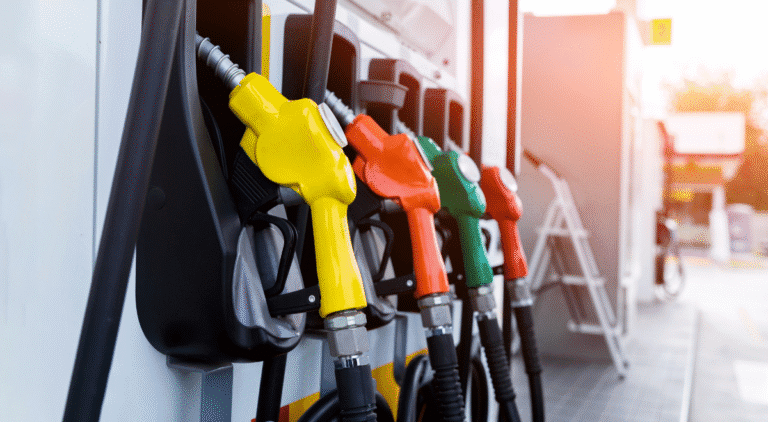
In the fast-evolving world of advertising, brands are battling for a scarce commodity: attention. With digital fatigue setting in across social media and mobile channels, and traditional media costs climbing with often unclear returns, businesses are rethinking where and how they invest their marketing spend.
One of the most underrated, high-impact opportunities is petrol pump advertising — a hyper-local, high-dwell-time medium that reaches everyday Australians in the midst of routine life. With millions of motorists fuelling up daily across the country, petrol stations have quietly become prime real estate for modern, digitally-enabled out-of-home (DOOH) media.
From major brands to local service providers, advertisers are starting to realise that this humble pit stop offers powerful potential.
Here are five compelling reasons why advertising at the petrol pump is not only smart — it might just be your most effective media buy this year.
1. A Captive Audience With Zero Distractions
Unlike many traditional out-of-home placements — such as billboards or transit ads — petrol pump advertising benefits from something no other medium offers: an audience that is standing still.
When someone pulls up to refuel, they’re physically present for 3–5 minutes, waiting on a task that requires no mental engagement — creating a rare window where there are no screens, no scrolling, and no distractions. That time is ideal for capturing their attention with video, static, or animated messaging.
A study by the Outdoor Advertising Association of America found that drivers are highly receptive to pump media, with 72% of fuel consumers recalling an ad seen at a petrol station — and more than 40% saying it influenced their behaviour.
As noted in this guide by Alluvit Media, petrol station advertising is “a one-on-one interaction with a captive customer,” and most importantly, “they’re standing still right in front of your message.”
2. Exceptional Dwell Time Leads to High Recall
The average consumer spends 3 to 5 minutes at the pump. That may not sound like much — but in advertising, it’s an eternity. For context, a standard Facebook ad might be scrolled past in under 1.7 seconds. A YouTube preroll may be skipped after 5 seconds. But at a petrol pump, your audience is not skipping anything — they’re watching.
This dwell time allows your message to sink in — whether that’s brand awareness, product promotions, or behaviour change messaging. With the right creative, these few minutes of attention can lead to significantly higher brand recall and purchase intent.
And because many consumers fill up at the same location regularly, message repetition adds another layer of effectiveness. Think of it like a micro-billboard campaign — with full attention, multiple times a month.
In fact, Place-Based Media notes that advertising at petrol pumps is not only “high impact due to proximity,” but also benefits from being “embedded into the customer’s routine,” leading to higher frequency of exposure. You can read more in their article here.
3. Cost-Effective With High Return on Investment
Let’s talk economics.
Compared to the costs of traditional media — TV, print, or even large-format outdoor — petrol pump advertising offers significantly lower cost per thousand impressions (CPM). It’s a media buy that punches above its weight.
For brands seeking hyper-local reach, there’s no better way to tap into a community’s daily habits than through their local service station. Even for national campaigns, the lower cost and repeat exposure make it a budget-friendly way to fill in media gaps between metro centres.
Plus, the inventory isn’t just affordable — it’s targetable. Want to reach tradesmen in regional NSW? Commuting families in suburban Adelaide? FIFO workers in WA? With platforms like Phoenix Media offering screen-level selection and programmatic delivery, petrol pump advertising is scalable — but still precise.
In fact, petrol pump campaigns are now widely used in support of national TVC launches, not as standalone placements but as campaign multipliers, extending TV content into daily life. It’s no surprise that Ginger Media Group, a global signage provider, calls petrol pump advertising “one of the most cost-effective and impactful forms of DOOH advertising available.”
4. It’s Where Behaviour and Commerce Intersect
Think about the mindset of someone fuelling up their car.
They’re not at home. They’re not relaxing. They’re out and about — thinking about groceries, car maintenance, errands, or even what to eat next. That in-transit, decision-making headspace makes the pump a perfect place to influence behaviour.
Petrol pump advertising has been shown to:
- Drive footfall into attached convenience stores
- Influence purchases at nearby retailers
- Increase brand awareness for local services
- Promote mobile app installs (via QR codes)
- Support public health or safety messaging (e.g. mental health, sun safety, road toll awareness)
It’s not just about showing an ad — it’s about appearing at the right place, in the right moment, with a message that matters.
And with digital displays now standard across networks like Phoenix Media’s national petrol station footprint, advertisers can deliver dynamic, time-sensitive content that adapts to weather, time of day, or even sports scores.
This agility is crucial, especially in a world where context equals impact.
5. Nationwide Scalability, Local Authenticity
Phoenix Media’s network spans major cities, regional towns, and remote mining communities — allowing brands to scale campaigns nationally while keeping local nuance.
Want to run a national promotion, but have a different call-to-action in VIC than QLD? Easy. Want to launch a new product in one market, while reinforcing brand in another? No problem.
Each screen can be programmed remotely, updated in real time, and tracked for performance — delivering true outdoor programmatic functionality, but at a community scale.
It’s also a medium that feels local. When someone sees your ad at their local servo, it feels more personal than on TV or social media. That proximity builds trust — which translates into sales.
And because petrol stations are trusted destinations — used regularly by all demographics — the messages shown there benefit from an implied credibility and accessibility.
Final Thoughts: Fill the Gaps Others Miss
In the attention economy, where brands are fighting through noise and competing for seconds of screen time, petrol pump advertising offers a different path.
It’s physical, contextual, high-dwell and repeatable — everything that digital ad buyers want, with none of the digital fatigue. It sits at the crossroads of behaviour, community and daily life.
Brands that embrace this medium early will not only enjoy stronger cut-through, but also build more authentic relationships with consumers — right where they are.
So whether you’re a national advertiser looking to complement your TVCs, a local business wanting foot traffic, or an agency seeking better value media — petrol pump advertising should be in your mix.
Ready to fuel your brand?
Talk to us today to explore screen availability, format options, and campaign packages tailored to your goals.