
The ‘Micro-Moment’ Economy: Winning Consumer Decisions in 3 Minutes at the Pump
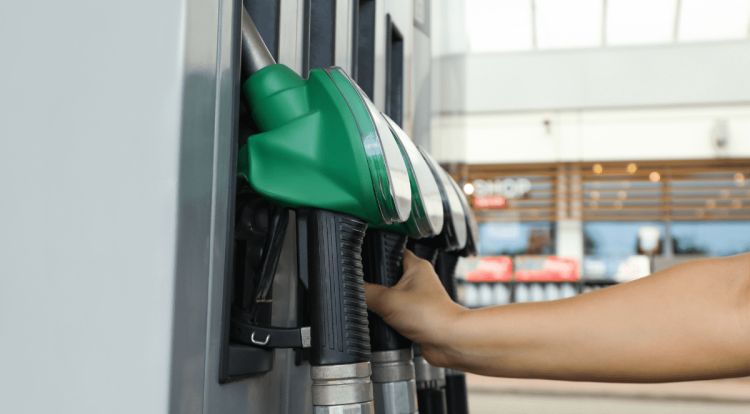
In today’s fast-moving world, consumer attention is fragmented, fleeting, and harder to capture than ever. People scroll, skip, and swipe past content in seconds. For advertisers, this has created a major challenge. How do you deliver a message that actually lands?
At petrol stations, the answer lies in something powerful and often overlooked. The micro-moment.
Unlike most environments, petrol forecourts offer a rare window of undivided attention, typically lasting between three to five minutes. During this time, consumers are stationary, present, and in a transactional mindset. For brands, this is not just another impression. It is a high-value opportunity to influence real decisions.
What is a Micro-Moment?
A micro-moment is a brief window where a consumer is highly receptive to information and ready to take action. These moments are intent-driven and context-specific.
At the pump, micro-moments occur naturally:
- A driver is waiting for their tank to fill
- They are thinking about their next stop
- They are open to making immediate purchases
This is fundamentally different from other advertising environments. The audience is not distracted by multiple screens or competing stimuli. They are present, with time to engage.
Why Petrol Stations Are Built for Attention
In most forms of advertising, capturing attention is the biggest challenge. At petrol stations, attention is already there.
The forecourt environment creates:
- Forced dwell time with minimal distraction
- A clear line of sight to digital screens
- A mindset focused on convenience and decision-making
This combination makes petrol stations one of the few places where brands can deliver messages that are not just seen, but actually processed.
Importantly, this attention is not passive. It is active and situational, meaning consumers are more likely to respond to relevant messaging.
The Psychology of the Pump
Understanding what consumers are thinking during these moments is key to effective advertising.
At the pump, drivers are often:
- Planning their next activity, such as grabbing coffee or food
- Considering time constraints and convenience
- Open to small, immediate purchases
This creates a perfect environment for influencing impulse decisions.
For example:
- A coffee promotion can prompt an immediate in-store visit
- A snack or drink ad can trigger an unplanned purchase
- A retail offer can shift where a consumer shops next
The decision window is short, but the impact can be immediate.
Designing for the 3-Minute Window
Winning in micro-moments requires a different approach to creative.
Traditional advertising often focuses on storytelling over longer durations. At the pump, the goal is different. It is about delivering clear, high-impact messaging quickly.
Effective forecourt creative should:
- Be simple and easy to understand at a glance
- Use bold visuals and strong contrast
- Focus on a single, clear message
- Include a direct call to action
The best campaigns are designed specifically for the environment, not repurposed from other channels.
In a three-minute window, clarity beats complexity every time.
Relevance Drives Results
Micro-moments are most powerful when messaging aligns with context.
This is where DOOH technology plays a key role. Campaigns can be tailored based on:
- Time of day
- Weather conditions
- Location-specific behaviour
For example:
- Morning commuters respond to breakfast and coffee messaging
- Afternoon drivers are more receptive to snacks and cold drinks
- Weekend travellers may engage with convenience or automotive offers
By matching the message to the moment, brands can significantly increase engagement and conversion.
From Awareness to Action
One of the biggest advantages of petrol station advertising is its proximity to purchase.
Unlike many media channels that focus purely on awareness, forecourt DOOH operates close to the point of sale. This allows brands to:
- Influence immediate decisions
- Drive in-store traffic
- Convert attention into action within minutes
This is what makes micro-moments so valuable. They are not just about exposure. They are about outcomes.
Integrating with the Broader Journey
Micro-moments at the pump do not exist in isolation. They can be part of a larger, connected customer journey.
For example:
- A driver sees a forecourt ad
- They enter the store and make a purchase
- They later receive a related message on mobile
This creates a seamless experience that reinforces the brand across multiple touchpoints.
By combining DOOH with digital channels, advertisers can extend the impact of these short moments into longer-term engagement.
Why Micro-Moments Matter More Than Ever
As digital advertising becomes more saturated and privacy regulations limit targeting, brands are looking for environments where they can deliver meaningful, context-driven messaging.
Petrol stations offer exactly that.
They provide:
- Guaranteed attention
- High-intent audiences
- Real-world context
- Immediate opportunities for conversion
In a landscape where attention is scarce, these qualities are incredibly valuable.
A Shift in How We Measure Success
The rise of micro-moments is also changing how advertisers think about performance.
Instead of focusing solely on reach or impressions, the emphasis is shifting toward:
- Attention
- Engagement
- Immediate action
At the pump, success is not just about how many people see an ad. It is about how many people act on it.
This makes petrol station DOOH a highly effective channel for brands looking to drive measurable outcomes.
Final Thoughts
The micro-moment economy is redefining how brands connect with consumers.
At petrol stations, these moments are built into the environment. For a few minutes, attention is focused, intent is high, and decisions are being made.
For advertisers, this represents a powerful opportunity. By delivering clear, relevant, and timely messaging, brands can turn a routine stop into a meaningful interaction.
In just three minutes, the right message can influence behaviour, drive purchase, and create lasting impact.