
Sustainability and Innovation in Outdoor Advertising
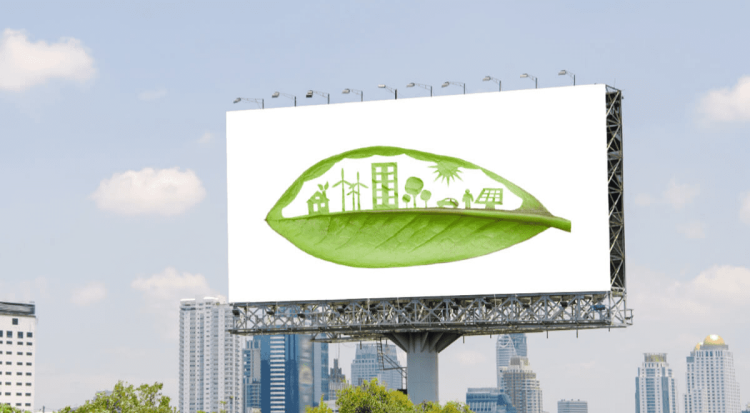
In recent years, sustainability has become a defining factor in how businesses operate, how consumers make choices, and how brands communicate their values. From reducing carbon footprints to aligning with environmentally responsible partners, advertisers are under increasing pressure to demonstrate a commitment to sustainability.
Outdoor advertising, traditionally dominated by printed billboards and posters, has often been seen as wasteful due to the reliance on paper, vinyl, and physical materials. But with the rise of Digital Out-of-Home (DOOH) advertising, the industry is undergoing a transformation. At Phoenix Media, we are leading this shift by offering sustainable, innovative digital display networks that reduce waste, increase efficiency, and provide advertisers with cutting-edge ways to connect with their audiences.
This blog explores how sustainability and innovation are reshaping outdoor advertising — and why now is the time for brands to embrace these changes.
- The Environmental Impact of Traditional Outdoor Advertising
Printed billboards and posters have long been a staple of outdoor advertising, but their environmental impact is significant:
- Material Waste: Posters and vinyl banners are often discarded after short campaign runs, contributing to landfill.
- Energy Use: Printing, transporting, and installing these materials require fuel and electricity.
- Limited Flexibility: Each creative change requires new production, adding to both cost and waste.
As consumers and regulators push for greener practices, these challenges have made traditional outdoor advertising less attractive to forward-thinking brands.
- How Digital Out-of-Home Reduces Waste
Digital displays eliminate the need for constant printing and replacement. Instead of producing new materials for every campaign, advertisers can update creative content instantly with the click of a button.
Phoenix Media’s digital network provides:
- Zero Print Waste: No paper, vinyl, or ink required.
- Remote Updates: Campaigns can be swapped or modified without physical intervention.
- Reusable Infrastructure: Screens are long-term assets that support multiple advertisers over time.
This shift significantly reduces the carbon footprint of campaigns while giving advertisers far greater flexibility.
- Energy-Efficient Technology
Sustainability in outdoor advertising is not just about eliminating print — it’s also about energy efficiency. Phoenix Media invests in hardware designed to perform in tough environments, such as mining towns and outdoor regional areas, while keeping energy usage low.
Key innovations include:
- LED Screens With Lower Power Consumption: Modern displays use less energy compared to older models.
- Solar-Powered Options: In certain outdoor environments, renewable energy solutions reduce reliance on the grid.
- Durability and Longevity: Hardware built to withstand harsh conditions minimises the need for frequent replacements.
For advertisers, this means campaigns are not only effective but also aligned with modern sustainability goals.
- Sustainability as a Brand Value
Today’s consumers expect brands to walk the talk when it comes to environmental responsibility. A Nielsen study found that over 70% of global consumers prefer to buy from companies that demonstrate sustainable practices.
By choosing DOOH networks like Phoenix Media’s, advertisers signal their commitment to reducing waste and embracing innovation. This alignment strengthens brand reputation and creates positive associations with eco-conscious audiences.
For example, a beverage brand running a summer campaign on solar-powered outdoor displays not only promotes its product but also demonstrates shared values with environmentally aware consumers.
- Innovation Beyond Sustainability
Sustainability is only part of the story. The innovation driving DOOH is also changing how brands engage audiences in ways traditional advertising never could.
Here are some examples of innovation transforming outdoor advertising:
- Dynamic Content: Ads that update in real time based on factors such as weather, traffic, or time of day.
- Interactive Campaigns: QR codes or NFC technology allow consumers to engage directly with ads using their smartphones.
- Programmatic DOOH: Advertisers can buy ad space in real time, adjusting campaigns based on audience behaviour or demand.
- Hyperlocal Messaging: Different locations can display tailored content that speaks directly to the local community.
These innovations mean campaigns are not only greener but also smarter, more relevant, and more measurable.
- Case for Advertisers: Better ROI, Lower Impact
Sustainable innovation doesn’t just benefit the planet — it benefits advertisers too. Digital networks like Phoenix Media’s deliver stronger ROI through:
- Reduced Production Costs: No need for printing or shipping physical materials.
- Campaign Agility: Creative updates can be made instantly, ensuring messaging is always relevant.
- Audience Engagement: Digital displays capture attention in ways static posters cannot, particularly in dwell-time environments like petrol pumps.
- Measurable Results: DOOH allows for reporting on impressions and performance, giving advertisers proof of impact.
By combining sustainability with innovation, brands achieve greater efficiency and accountability while enhancing their reputation.
- The Role of DOOH in Regional and Harsh Environments
Phoenix Media’s strength lies in deploying digital displays where many advertisers hesitate to go — in mining towns, regional communities, and outdoor locations with harsh conditions.
Our investment in rugged, durable, energy-efficient displays ensures advertisers can reach high-value audiences without compromising on sustainability. For communities with limited access to traditional advertising, these displays also provide a valuable source of local information and brand messaging.
- Looking Ahead: The Future of Sustainable DOOH
The future of outdoor advertising is digital, sustainable, and data-driven. In the coming years, we expect to see:
- Wider Adoption of Renewable Energy: More solar-powered displays across Australia’s regional areas.
- Smarter Energy Management: AI-driven systems to optimise brightness and energy use.
- Increased Consumer Expectation: Greater demand for brands to prove their sustainability credentials in all marketing channels.
- Innovative Partnerships: Brands aligning with DOOH providers to run campaigns that showcase both product and environmental responsibility.
As technology continues to evolve, DOOH will become the clear choice for advertisers who want to balance impact with responsibility.
Final Thoughts
Sustainability and innovation are no longer optional in outdoor advertising — they are essential. Brands that continue to rely on waste-heavy traditional media risk falling behind, while those that embrace digital solutions position themselves as forward-thinking and environmentally responsible.
Phoenix Media is proud to be at the forefront of this shift. Our petrol pump screens, indoor freestanding units, and rugged outdoor displays not only help advertisers reach audiences in unique locations but also do so in a way that reduces environmental impact.
For advertisers, the benefits are clear: smarter campaigns, lower waste, measurable results, and stronger brand reputation.
If you’re ready to align your brand with sustainable innovation and unlock new opportunities in outdoor advertising, Phoenix Media is here to help.
Get in touch today to learn more about how our network can make your next campaign impactful, sustainable, and future-ready.