
Unlocking the Potential: Why Advertising in Australian Mining Communities Is a Strategic Advantage
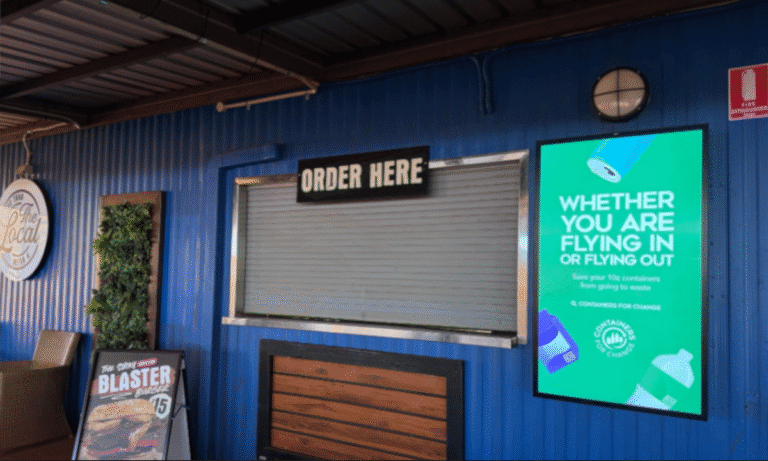
In Australia, mining towns are often viewed solely through the lens of their industrial output — iron ore, coal, copper, and other critical exports that power the national economy. Within these resource-rich outposts lies another valuable asset: a powerful, underutilised consumer audience.
Mining communities, often situated in remote or regional Australia, are home to workforces with significantly higher-than-average incomes, strong brand loyalty, and limited advertising saturation. These factors create a unique and highly receptive market for advertisers, one where smart messaging can cut through, make an impression, and drive real results.
Yet many brands still overlook these high-value regions in favour of capital city media buys. It’s time that changed.
Here are five compelling reasons why advertising in Australian mining communities is not only viable — but a strategic move that can pay off big.
- High-Income Demographics with Discretionary Spending Power
Let’s start with purchasing power because when it comes to advertising, that matters.
Mining workers are among the highest-paid employees in the country. According to the Australian Bureau of Statistics, the average weekly earnings for full-time mining employees exceed $2,600, well above the national average. In towns where mining dominates, like Moranbah (QLD), Roxby Downs (SA), or Port Hedland (WA), entire communities benefit from this wage uplift.
A report by the Courier Mail identified mining towns as topping the list of Australia’s highest-earning postcodes, where households regularly exceed $3,000 per week in income — giving them a level of discretionary spending far above the national norm.
With fewer luxury or entertainment outlets in remote areas, and limited access to retail chains, that surplus often gets funnelled into online shopping, vehicle upgrades, travel, lifestyle services, and household investments during off-roster breaks.
For advertisers offering financial services, insurance, tech products, vehicle accessories, health plans, or training and upskilling services, this is a golden opportunity.
- Captive, Engaged Audiences With Time and Attention
Unlike major cities where audiences are bombarded with thousands of advertising messages daily, mining communities represent media-light environments which makes advertising stand out more clearly.
Phoenix Media’s DOOH screens — whether placed at petrol pumps, in mess halls, or in local retail stores — benefit from this low clutter and high dwell time. When workers or residents engage with content at the pump or while waiting for food or supplies, your message isn’t just seen, it’s absorbed.
Take a worker at a Pilbara mine site, refuelling during a quiet early morning shift. There are no billboards, no traffic congestion, and no mobile service distractions. The ad on the screen is the focal point.
Research on the effectiveness of place-based advertising supports this: DOOH advertising in low-distraction settings, particularly those with natural pauses, increases message retention and action. In fact, petrol bowser and mining location ads result in up to 75% unaided recall, compared to 30–40% in saturated urban environments.
- Strong Community Ties Translate to Brand Loyalty
Mining towns might be remote, but they’re far from disconnected. Many of these communities — despite transient populations due to FIFO arrangements — are incredibly tight-knit. Local events, sporting teams, schools, and charity drives foster a strong sense of community belonging.
When brands participate in these ecosystems, loyalty builds fast.
Sponsoring a community football team, advertising in the local servo, or displaying safety messages that align with community wellbeing earns both visibility and trust. People notice who’s active in their town and they remember.
An excellent example of this can be seen in WA’s mining corridor, where a major financial services provider ran a series of DOOH ads targeting mortgage refinancing and superannuation consolidation. By pairing its advertising with local financial literacy events, it became a trusted name in a market that would otherwise have defaulted to city-based competitors.
Research by Quicker Australia, a community engagement firm, found that “brands that invest in visible, local engagement within mining communities see a significantly higher return on trust and long-term loyalty” (Quicker).
- Low Competition = High Impact
In cities, your message competes with LED billboards, mobile screens, social platforms, podcasts, buses, Spotify pre-rolls, and more.
But in a mining town like Mount Isa or Karratha? The average person will pass only a handful of ads a day — often centred around the service station, supermarket, or community board.
That means every message you place is more prominent, more memorable, and more effective.
Advertising here is less about noise, and more about clarity.
This is especially valuable for new product launches, brand refreshes, or seasonal campaigns, where early impression quality is key. If your business can own a space that no one else is even exploring — you’re ahead of the game.
As the team at Mining.com points out, towns that rely on mining often “outperform metropolitan averages on both employment and income indicators,” but have “limited exposure to national campaigns” — making them ideal grounds for category dominance and early mover advantage (Mining.com).
- Highly Targetable, Contextually Relevant Messaging
With digital out-of-home technology and location-based data, advertisers can now tailor their campaigns per screen, per town, per time of day.
Phoenix Media’s mining town screen network allows advertisers to:
- Promote location-specific job training or apprenticeships
- Push mobile app downloads via QR codes in break rooms
- Promote seasonal travel offers to FIFO workers
- Deliver time-sensitive messaging around weather or holidays
- Share health and safety content tied to community wellbeing
For example, a national supermarket chain used Phoenix Media’s regional screens to push fly-in shopping vouchers for workers returning home. Another campaign launched by a tradie insurance company used short-form testimonials from real mining workers, building credibility by matching voice and tone to the audience.
The key here is relevance — which comes from understanding the environment and aligning your message with the community’s values, routines, and needs.
Bonus Reason: A Future-Facing Investment
With increasing interest in decentralised infrastructure, resource independence, and regional population growth, mining towns are set to become even more economically vital in the next decade.
Many regional centres are now investing in better housing, education, tourism, and health infrastructure to support the longevity of these communities.
Smart advertisers will move early — to establish relationships before the space becomes saturated.
And with DOOH platforms like Phoenix Media offering full campaign analytics, remote content management, and programmatic delivery, advertisers can track, test, and scale their mining town campaigns just like they do in the city — only with less noise and more impact.
Final Thoughts: Don’t Overlook the Outback
Mining communities aren’t just engines of the Australian economy — they’re influential, connected, and valuable advertising audiences. They represent a rare combination of:
- High income and spending power
- Low advertising saturation
- Tight-knit community values
- Captive dwell-time environments
- DOOH-enabled screen infrastructure
- Long-term brand recall potential
It’s time advertisers expanded their horizons — and recognised that real growth, brand trust, and impact don’t just come from major cities. They come from showing up where others don’t.
Whether you’re launching a national campaign or targeting high-value regional customers, advertising in mining towns delivers reach, results, and resonance.
Want to reach Australia’s most valuable remote audiences?
Connect with us today to learn how you can build a high-impact campaign across petrol pumps, tombstone screens, and community displays in the nation’s most powerful regional hubs.